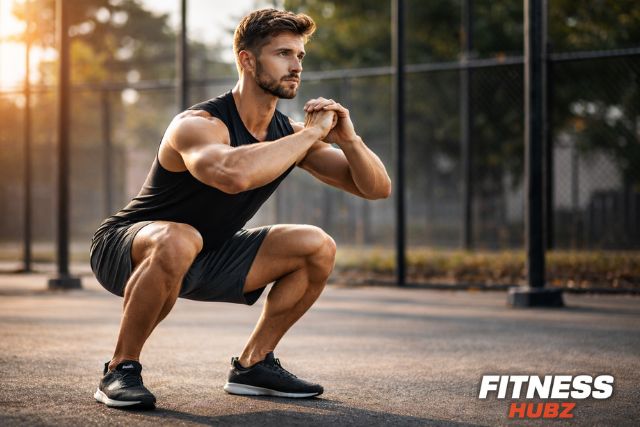
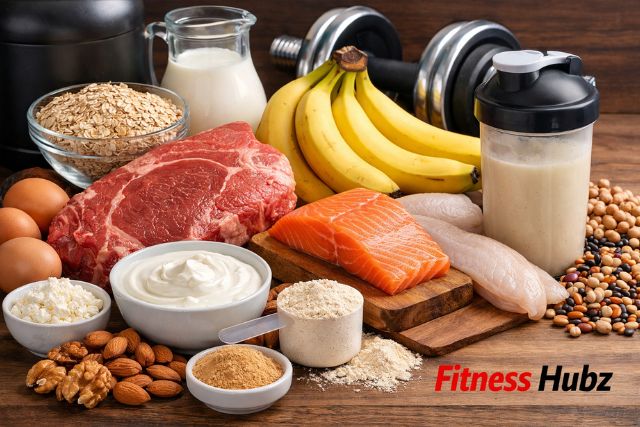
Nutrition For Calisthenics Athletes: The Complete Guide

If you have started doing calisthenics, you know that mastering movements like muscle-ups, pull-ups, handstands, and planches takes time. But here is what most athletes focus on: performance not only comes from training, but also comes from what you eat.
Nutrition for calisthenics athletes is different from bodybuilding nutrition. At a given body weight, every pound of muscle and fat directly affects your performance. Understanding the importance of nutrition for calisthenics athletes will make your journey much easier.
Why is Nutrition for Calisthenics Athletes Important?
Unlike bodybuilding, where extra muscle mass may not significantly affect performance, calisthenics places greater demands on the strength-to-weight ratio. In calisthenics, maintaining a lean physique improves control over your bodyweight. In calisthenics, adding extra muscle or fat can make movements like handstands and human flags more difficult to perform.
Excess body weight reduces relative strength, making bodyweight movements significantly harder. It is like a man is climbing the stairs while wearing a heavy backpack. But being too lean without adequate muscle leaves you without the power needed for advanced skills. The goal of nutrition for calisthenics athletes is not a bulky physique; it’s about a lean physique that has strength and performance.
Discovering Your Optimal Body Composition
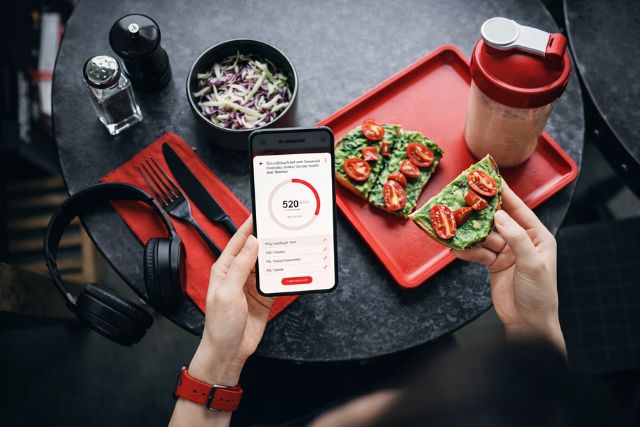
When discussing nutrition for calisthenics athletes, body composition matters more than the number on the scale. The ideal body fat percentage varies between individuals, but general guidelines can help you find your sweet spot.
For men and women, the fat percentage is different for peak performance. For men, a body fat percentage between 10 to 15% that supports peak calisthenics performance. This helps you to be strong and keeps your movements controlled.
For women, the body percentage should be between 18 to 25%. This fat percentage provides the peak performance for women’s calisthenic athletes. Going below that percentage might look impressive, but it can lead to reduced energy, hormonal imbalance, and decreased strength. All these things hurt your performance.
When discussing nutrition for calisthenics athletes, body composition matters more than the number on the scale. The ideal body fat percentage varies between individuals, but general guidelines can help you find your sweet spot.
When To Eat Nutrients For Maximum Performance
Understanding nutrition for calisthenics athletes means knowing not just what to eat, but when to eat it. Strategic meal timing can significantly enhance your training results.
Pre-Workout Nutrition
Eating the food before 1 to 2 hours of your workout gives your body time to digest and convert food into useful energy. Focus on carbohydrates that are easy to digest. For example, oats with bananas, and Greek yogurt with berries.
Your pre-workout meal should leave you feeling energized but not stuffed. Eating too close to training or consuming heavy, fatty meals can cause digestive discomfort during exercise.
Post-Workout Recovery
After training, your muscles are primed to absorb nutrients and begin the recovery process. This is when nutrition for calisthenics athletes becomes crucial for adaptation and growth.
Within 30 to 90 minutes post-workout, consume a combination of protein and carbohydrates. The protein supports muscle repair while carbohydrates replenish depleted glycogen stores. Good options include a protein shake with fruit, chicken with rice and vegetables, or a smoothie with protein powder, banana, and oats.
Macronutrients For Bodyweight Training
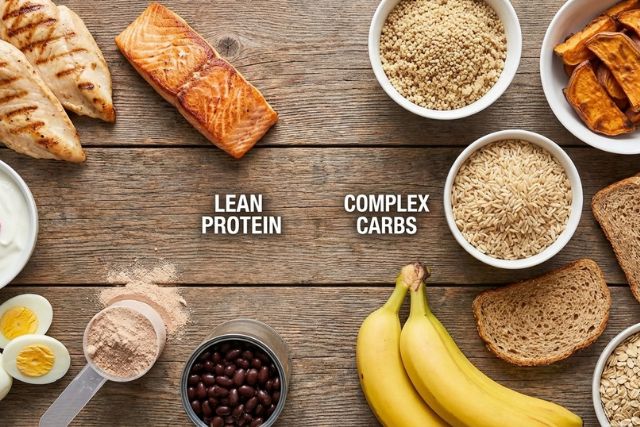
Nutrition for calisthenics athletes revolves around these macronutrients like protein, carbs, and fats. Each macronutrient plays a crucial role in your performance.
Protein
Every calisthenics training session creates small micro-tears in muscle fibers, which are repaired through adequate protein intake. For better results, aim for 0.6 g to 0.8 g of protein per pound of your body weight.
Protein sources include meat, such as fish, chicken, salmon, eggs, Greek yogurt, and cottage cheese, or also plant-based sources like lentils and quinoa. Spreading the protein intake throughout the day increases recovery and muscle growth.
Carbohydrates
Carbs often get a bad reputation, but they are essential for calisthenic athletes. During intense training sessions, your body’s energy stores are rapidly depleted. In that case, the body gets energy from glycogen, stored carbs. Without enough carbohydrates, you will feel lazy, tire quickly, and struggle during the workout.
Focus on carbohydrates that provide sustained energy, like oats, bananas, brown rice, whole grain bread, and plenty of vegetables. These foods give you energy during a tense workout. A banana before your workout or rice after training can significantly improve performance and recovery.
Fats
Many athletes underestimate the power of healthy fats in nutrition. Healthy fats support hormone production, including testosterone and growth hormone, both critical for muscle growth and recovery. They keep you satisfied, and that helps manage calories.
Excellent fat sources include avocados, nuts and seeds, olive oil, coconut oil, fatty fish like salmon and mackerel, and nut butters. Aim for fats to comprise 20 to 30% of your total daily calories.
Do Calisthenics Athletes Need Supplements?
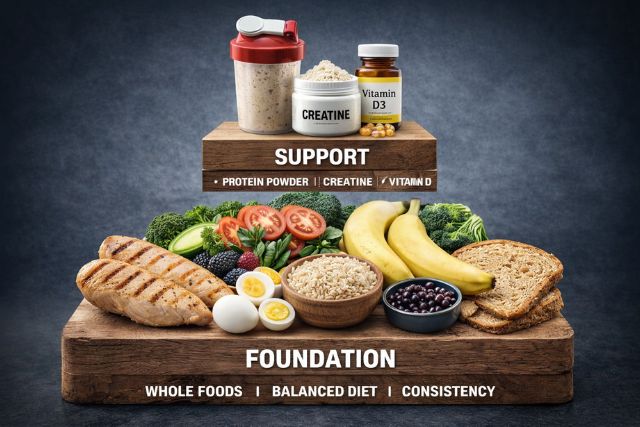
The truth about supplements in nutrition for calisthenics athletes is simple: they are helpful but not essential. These supplements can be helpful, but cannot replace natural foods and balanced nutrition.
Certain supplements can fill the energy gaps and support performance. Protein powder offers high-quality protein when whole food options are not available. Creatine is helpful in boosting strength and muscle recovery. Vitamin D supports bone health and the immune system, especially if you train indoors. Always prioritize food first, and only add supplements to complement an already strong nutritional foundation.
Building Your Calisthenics Nutrition Plan
Creating an effective nutrition plan for calisthenics athletes doesn’t require perfection—it requires consistency and awareness. Start by calculating your calorie needs based on your goals, determining appropriate macronutrient ratios, planning meals around training times, and focusing on whole, nutrient-dense foods.
Remember that nutrition is highly individual. What works perfectly for one athlete might not suit another. Experiment with different approaches, pay attention to how your body responds, and adjust accordingly.
Final Thoughts
Mastering nutrition for calisthenics athletes takes time and experimentation, but the payoff is massive. Proper nutrition enhances your strength-to-weight ratio, speeds recovery, improves performance, and helps you maintain an athletic physique year-round.
You don’t need to be bulky to be strong in calisthenics. Functional strength comes from smart training combined with strategic nutrition that supports your goals without compromising performance.
Start implementing these nutritional principles today. Track your intake, monitor your progress, and stay consistent. Your body will respond with improved strength, better recovery, and the ability to tackle increasingly difficult calisthenics skills.