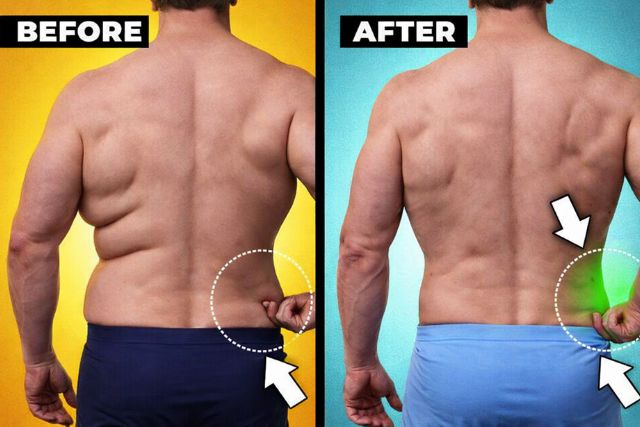

How To Lose 20 Pounds In a Month: A Complete Guide

Wanting to lose weight quickly is a common goal. Whether you have a special event coming up, want to fit into your favorite clothes again, or simply want to jumpstart your health journey, you might be wondering how to lose 20 pounds in a month. This guide will give you the complete truth about rapid weight loss, what is actually possible, and the safest ways to achieve your goals.
Is Losing 20 Pounds in a Month Realistic?
Firstly, start with honest facts. To understand how to lose 20 pounds in a month, you first need to understand the basic math behind weight loss.
One pound of body fat contains about 3,500 calories. To lose 20 pounds of pure fat in 30 days, you would need to burn 70,000 calories more than you eat. That breaks down to burning 2,333 extra calories every single day.
For most people, this is extremely difficult and potentially dangerous. The average woman burns around 1,800 to 2,000 calories daily just by living. The average man burns about 2,200 to 2,400 calories. To create a 2,333-calorie deficit would mean eating very little and exercising for many hours each day.
However, not all weight loss is fat loss. When you first start a diet, you lose a lot of water weight. Your body stores carbohydrates as glycogen in your muscles and liver, and each gram of glycogen holds about 3 grams of water. When you reduce carbs and calories, your body releases this stored glycogen along with all that water.
This means you can lose 5 to 10 pounds of water weight in the first week alone. This is important to understand when learning how to lose 20 pounds in a month. While losing 20 total pounds in a month is possible for some people, much of that weight will be water, not fat.
What Affects Your Ability to Lose Weight Quickly?
Several factors determine how quickly you can lose weight:
Starting Weight: People who weigh more tend to lose weight faster at first. Someone who weighs 250 pounds might lose weight much quicker than someone who weighs 150 pounds.
Age: Younger people typically have faster metabolisms and lose weight more easily than older adults.
Gender: Men usually lose weight faster than women because they have more muscle mass and higher metabolisms.
Metabolism: Some people naturally burn calories faster than others due to genetics, activity level, and muscle mass.
Hormones: Thyroid problems, insulin resistance, and hormone imbalances can make weight loss harder.
Sleep Quality: Poor sleep increases hunger hormones and makes it harder to lose weight.
Stress Levels: High stress raises cortisol, a hormone that encourages fat storage, especially around your belly.
Understanding these factors helps you set realistic expectations when learning how to lose 20 pounds in a month.
The Dangers of Losing Weight Too Fast
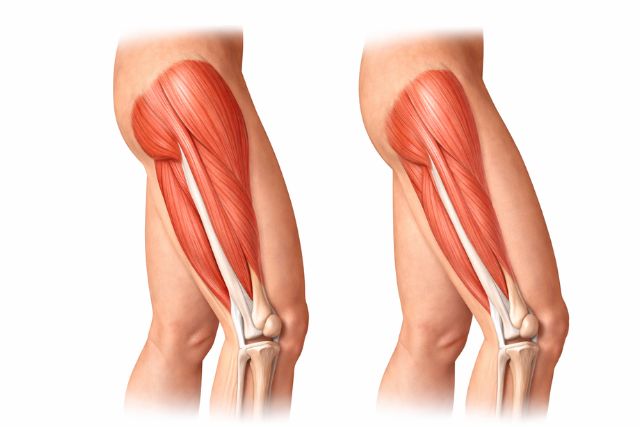
Before trying to lose 20 pounds in 30 days, you must understand the serious health risks:
Muscle Loss: When you lose weight too quickly, your body breaks down muscle for energy, not just fat. Less muscle means a slower metabolism, making it harder to keep weight off later.
Nutritional Deficiencies: Extreme calorie restriction makes it nearly impossible to get enough vitamins, minerals, and nutrients your body needs. This can cause fatigue, weakness, hair loss, brittle nails, and poor immune function.
Dehydration: Rapid water loss can lead to dehydration, dizziness, headaches, and electrolyte imbalances that affect your heart and kidneys.
Slower Metabolism: Your body adapts to very low calories by slowing down your metabolism to conserve energy. This makes weight loss harder and weight regain easier.
Loose Skin: Losing weight too fast doesn’t give your skin time to shrink, potentially leaving you with excess loose skin.
Mental Health Issues: Extreme dieting can create unhealthy relationships with food and increase the risk of eating disorders.
Doctors and nutrition experts recommend losing 1 to 2 pounds per week, which equals 4 to 8 pounds per month. This slower pace allows for healthy fat loss while keeping your muscle and protecting your health.
Fastest Way for a Woman to Lose 20 Pounds Safely
Many women specifically search for the fastest way for a woman to lose 20 pounds because they face unique challenges. Women generally have slower metabolisms than men, deal with monthly hormone changes, and tend to store fat differently.
While losing 20 pounds in one month is not recommended, women can safely lose 8 to 12 pounds in a month with a smart, aggressive approach. Here’s the fastest way for a woman to lose 20 pounds over a realistic 8 to 10 week timeframe:
Create a Smart Calorie Deficit
First, calculate how many calories you burn daily using an online calculator. Then, reduce your daily food intake by 500 to 750 calories. This creates a deficit that leads to 1 to 1.5 pounds of fat loss per week without putting your body into starvation mode.
For most women, this means eating between 1,200 and 1,500 calories daily. Never eat less than 1,200 calories without a doctor watching you, as this makes it almost impossible to get the nutrients you need.
Eat More Protein
Protein is crucial when learning how to lose 20 pounds in a month. High protein intake helps you keep your muscle mass while losing weight, makes you feel full longer, and burns more calories during digestion.
Aim to eat 0.8 to 1 gram of protein for every pound of your goal weight. Good protein sources include chicken breast, turkey, fish like salmon and tuna, eggs, Greek yogurt, cottage cheese, tofu, beans, and lentils.
Cut Down on Carbs and Salt
Reducing carbohydrates, especially refined carbs like white bread, pasta, and sugar, helps reduce water weight and leads to quick initial weight loss. This is one of the most effective early strategies when figuring out how to lose 20 pounds in a month. When you eat fewer carbs, your body releases stored glycogen and the water that comes with it.
Similarly, cutting back on salt helps eliminate extra water your body is holding. Avoid processed foods, which usually contain lots of refined carbs and sodium.
Safe Strategies: How to Lose 20 Pounds in a Month
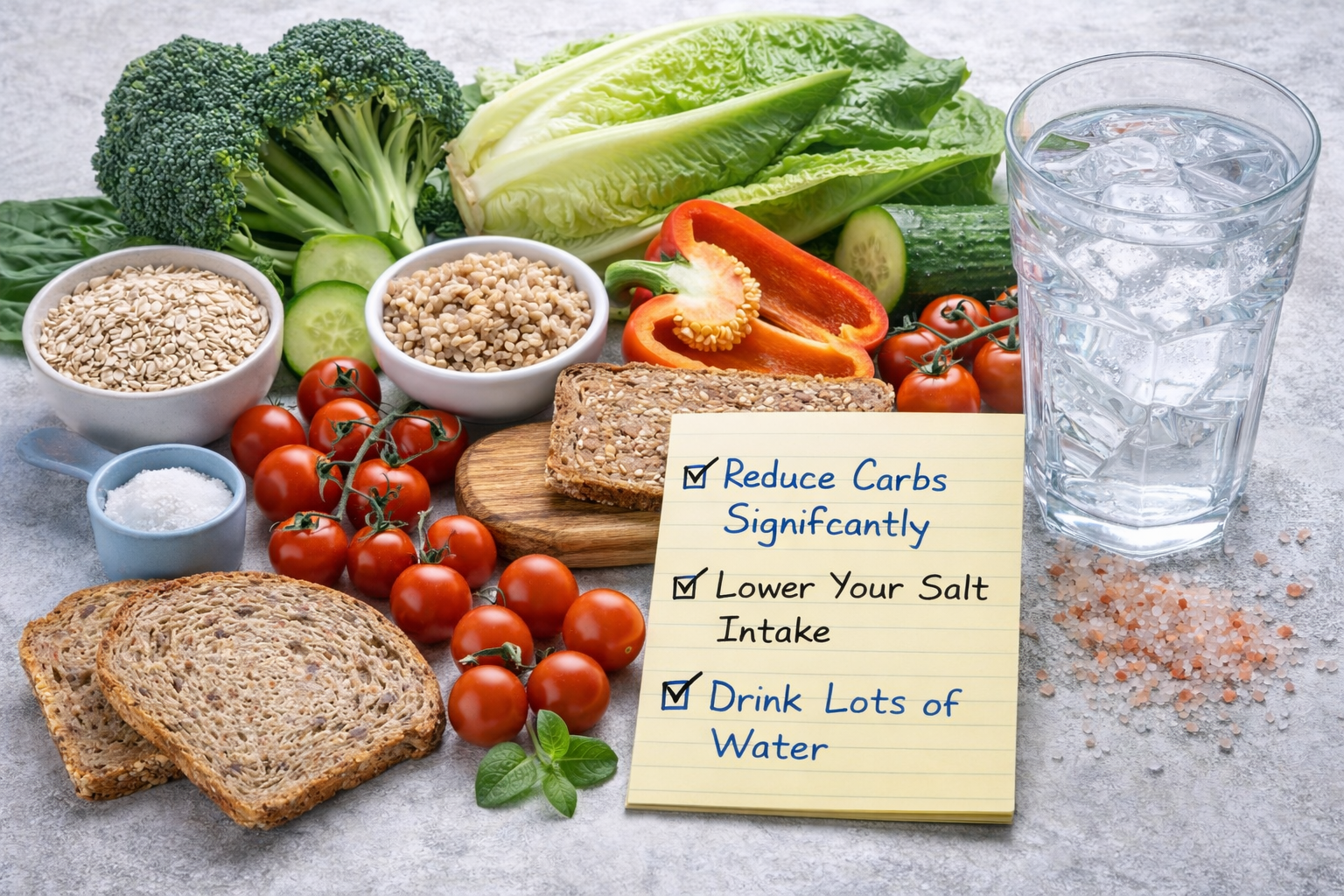
If you’re determined to lose as much weight as possible in 30 days, here’s the safest approach that maximizes fat loss while protecting your health:
Week One
In the first week, expect to lose 5 to 8 pounds, mostly water weight. Achieve this by
Reduce Carbs Significantly: Limit carbohydrates to 50 to 100 grams daily, getting them mostly from vegetables and small amounts of whole grains.
Lower Your Salt Intake: Avoid processed foods, restaurant meals, and added salt. This helps your body release excess water.
Drink Lots of Water: It seems backward, but drinking more water actually helps flush out extra sodium and reduces water retention.
Start Moving: Begin with 30 to 45 minutes of moderate exercise daily, like brisk walking, biking, or swimming.
Weeks Two to Four
After the initial water weight drops, focus on losing 1 to 2 pounds of actual fat per week. Continue with:
Keep Your Calorie Deficit: Stick to eating 500 to 750 calories less than you burn each day.
Exercise Harder: Add high-intensity interval training 3 to 4 times per week. This type of workout burns more calories in less time and keeps your metabolism high for hours afterward.
Lift Weights: Do strength training or bodyweight exercises 3 to 4 times per week. This keeps your muscle mass and prevents your metabolism from slowing down.
Try Intermittent Fasting: Consider eating all your meals within an 8-hour window each day, like noon to 8 PM. This naturally reduces how much you eat and may help burn more fat.
Following this plan, most people can lose 10 to 15 pounds in a month, which is substantial progress. While you might be determined to learn how to lose 20 pounds in a month, this safer approach protects your health and prevents you from gaining the weight back.
Essential Eating Tips for Weight Loss
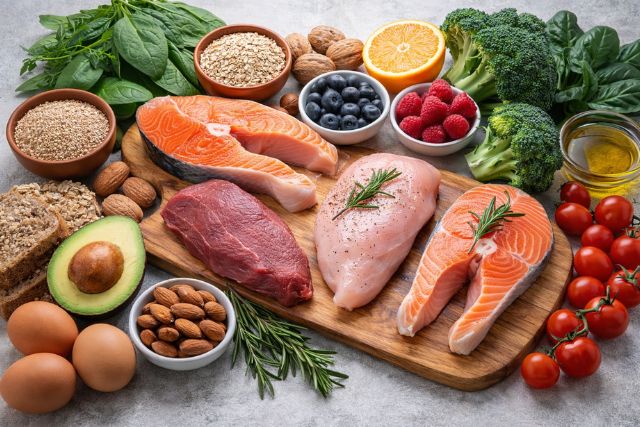
When learning how to lose 20 pounds in a month, your diet matters more than exercise. You cannot exercise away a bad diet, so focus on these eating strategies:
Choose Whole Foods
Base your meals on lean proteins, vegetables, fruits, whole grains, and healthy fats. These foods fill you up more, provide better nutrition, and contain fewer calories than processed junk food.
Control Your Portions
Even healthy foods can cause weight gain if you eat too much. Use smaller plates, measure your food, and pay attention to when you feel hungry versus when you’re full.
Plan Your Meals Ahead
Planning what you’ll eat in advance prevents you from making impulsive, unhealthy food choices when you’re hungry. Spend time each week preparing healthy meals and snacks.
Stop Drinking Calories
Cut out sodas, fruit juices, alcohol, fancy coffee drinks, and other beverages that add calories without making you feel full. Stick to water, black coffee, and unsweetened tea.
Track Everything
Use a food diary or app to write down every single thing you eat. Studies show that people who track their food lose significantly more weight than those who don’t.
Best Exercises for Fast Weight Loss

While diet is most important, exercise speeds up fat loss and helps you keep your muscles. Here’s the most effective exercise plan:
Cardio Exercise: 45 to 60 Minutes Daily
Do moderate exercise most days of the week. Walking, jogging, biking, swimming, or using gym machines all work well. Try to burn 300 to 500 calories per workout.
High-Intensity Intervals: 3 to 4 Times Weekly
Replace some steady exercise with high-intensity intervals. A typical session involves 30 seconds of maximum effort followed by 60 to 90 seconds of rest, repeated for 15 to 20 minutes.
Strength Training: 3 to 4 Times Weekly
Lift weights or do bodyweight exercises to keep your muscle mass. Focus on exercises that work multiple muscles at once, like squats, pushups, rows, and planks.
Stay Active All Day
Take stairs, park farther away, do housework energetically, and avoid sitting for long periods. These small activities add up to meaningful calorie burning.
What to Really Expect
Here’s what realistic weight loss looks like following the strategies above:
- Week 1: Lose 5 to 8 pounds
- Week 2: Lose 2 to 3 pounds
- Week 3: Lose 1 to 2 pounds
- Week 4: Lose 1 to 2 pounds
Total in One Month: 9 to 15 pounds
To reach a full 20 pounds of weight loss, you will need 6 to 10 weeks, depending on your starting weight, how fast your body burns calories, and how consistent you are. People who weigh more will lose weight faster at first, while smaller people will lose more slowly.
Final Thoughts
While technically possible for some people, learning how to lose 20 pounds in a month isn’t recommended for most individuals. The extreme actions required carry serious health risks and often lead to gaining all the weight back quickly.
Instead, aim for 10 to 15 pounds of weight loss in your first month through smart calorie reduction, increased activity, and healthy lifestyle changes. This approach is safer, easier to maintain, and sets you up for lasting success.
Whether you’re looking for the fastest way for a woman to lose 20 pounds or simply want quick results, commit to these strategies for 8 to 10 weeks. You’ll be amazed at how your body transforms, and you’ll feel confident knowing you lost weight in a healthy way that protects your long-term health and wellbeing.