Why Are My Calves So Tight? 7 Proven Ways to Relieve

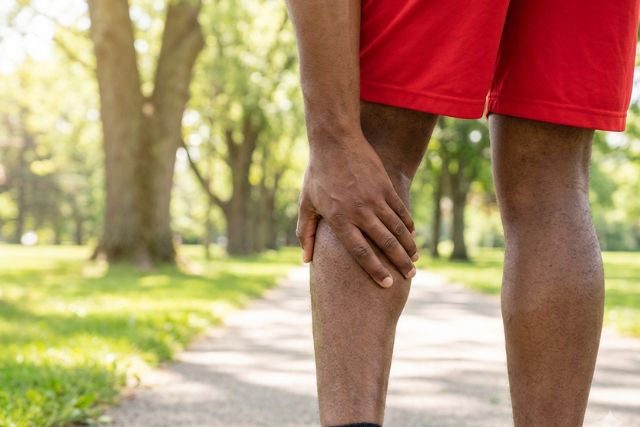
When you wake up in the morning, you swing your legs and feel tightness in your calves. Or while walking up the stairs, you felt tightness in the calves. This tightness in the calves limits everyday activities. If you are asking yourself why are my calves so tight then you are not alone. Tight calves are the most common complaint that most people have, even from athletes to office workers.
Understanding the reason for the tight calves is the first step to finding relief. However, most people assume that the tightness is due to intense training; the reason is far more complex. In that article, you will learn about why are my calves are tight, what you can do about it, and how to prevent future discomfort.
Understanding Calve Muscles

Before knowing the reason why are my calves so tight, it is beneficial to know about the calves. Our calves are made up of two muscles: the gastrocnemius and the soleus. The gastrocnemius is the larger muscle that gives calves their shape, and the soleus is the inner muscle of the calves.
oth muscles work to point the foot downward, push off the ground while running or walking, and provide stability of the ankle during different movements. Because our calves are engaged in various activities, this can be the reason for tightness and discomfort.
Reasons: Why My Calves Are Tight?
Reasons for the tightening of calves are given below:
Desk-Bound Habits and Round Shoulders
One of the most unnoticed answers to why are my calves so tight is sitting for a long period of time. When you sit for prolonged periods, specifically while flat feet on the floor, your calf muscles become shortened. Over time, this can lead to adaptive shortening, where the muscles become accustomed to being short.
Office workers, drivers, and people who spend a lot of time sitting often experience that tightness more, not due to training but due to prolonged sitting and lack of movement. This sedentary lifestyle is increasing this problem in the modern world.
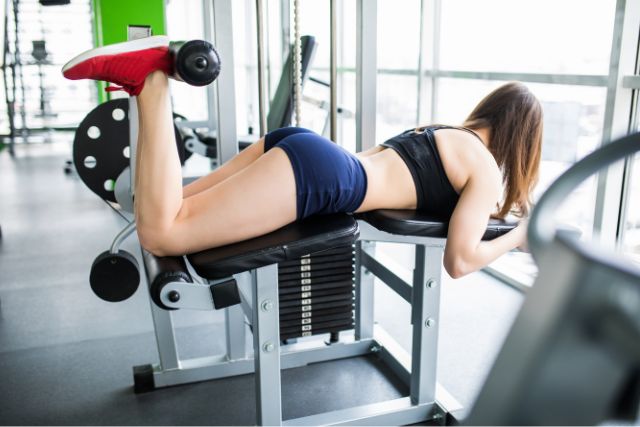
Overtraining can lead to muscle tightness. People who train too much are more likely to have calf tightness. Training during this time can lead to major injuries. Give your muscles proper time to recover and then train them.
Footwears
Footwear can also be the reason for calf tightness. High heels keep muscles shortened for a long period of time, leading to chronic tightness. At the same time, shifting from high heels to flat shoes can also cause tightness, where muscles will struggle to adapt new position.
When you wear shoes without good support, your calf muscles have to work extra hard to keep your feet steady. This constant effort can make the muscles tired, tight, and sore.
Doing More Than Your Body’s Comfort Limit
If you’ve been running, biking, or hiking more than usual, your calf muscles may start to feel tight. Dr. Loeb explains that when you increase how hard, how far, or how often you exercise too quickly, your calves can get overworked. This can happen to anyone, but long-distance runners and triathletes may notice it more.
Dehydration and Nutrition
If you are wondering why are my calves so tight despite sufficient rest, the answer might be dehydration and nutrition. By remaining dehydrated for the whole day, blood flow to the muscle reduces and impacts its ability to contract and relax. Similarly, deficiencies in key minerals like magnesium, potassium, and calcium can contribute to muscle tightness and cramping.
Signs of Tight Calves
Besides feeling tight, there are other signs your calves may need some care. You might find it harder to bend your ankle or pull your toes up toward your leg. You may also notice that squatting low or touching your toes feels difficult, because tight calves can limit how well your ankle moves.
Pain or discomfort while walking upstairs, cramping before or after some activity, and feeling like your muscles are pulling consistently are all indicators that you significantly need some addressing.
Stretches to Relieve Tightness
Now that we’ve explored why are my calves so tight, let’s discuss practical relief solutions.
Stretching Techniques
Regular, consistent stretching is the foundation of calf relief. The standing calf stretch is simple but effective: face a wall, place one foot behind the other, keep your back heel down, and lean forward until you feel a stretch in your back calf. Hold for 30 seconds and repeat 3-4 times per leg.
For deeper stretching, try the downward dog yoga pose, which simultaneously stretches both calves while also engaging your entire posterior chain.
Foam Rolling and Self-Massage
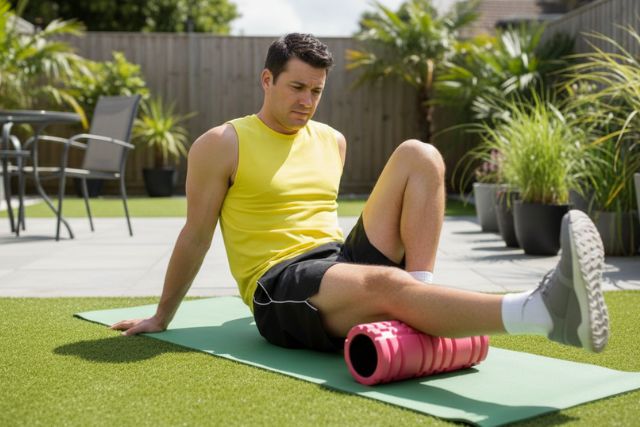
Foam rolling helps release muscle tension and improve blood flow, which is especially useful if you’re wondering why are my calves so tight. Sit on the floor with the foam roller under one calf, support your weight with your hands, and slowly roll from ankle to knee. Spend extra time on particularly tender spots, using small, controlled movements.
Strengthening Exercises
While it may seem counterintuitive, strengthening your calves can actually reduce tightness, especially if you’re wondering why are my calves so tight. Stronger muscles function more efficiently and are less prone to fatigue-related tightness. Calf raises are simple yet effective stand on the edge of a step, lower your heels below the step level, then rise up onto your toes. Perform 3 sets of 15-20 repetitions.
Prevention Tips
Preventing the tightness is better than treating it. Add daily stretches in your workout routine in your workout routine. Consistency matters more than anything. Do 5 minutes of stretching daily instead of doing it 30 minutes once a week.
To get better results, and if you’re asking why are my calves so tight, gradually increase workout intensity or allow your calves enough time to recover. Don’t add more than 10% percent in your workouts weekly. Choose supportive, well-fitting footwear appropriate for your activities. Replace athletic shoes every 300-500 miles or when you notice decreased cushioning and support
Conclusion
If you’ve been asking yourself why are my calves so tight, the answer often lies in a combination of daily habits, training load, footwear, and recovery. Tight calves aren’t just an athlete’s issue—they affect everyone from office workers to runners. By understanding the underlying causes, improving mobility, strengthening muscles, and making small lifestyle adjustments, you can reduce discomfort and prevent future tightness. Consistency with stretching, proper training progression, and supportive footwear is key to keeping your calves healthy and pain-free. For more fitness tips, visit Fitness Hubz.